Choosing a conversion event is a business decision as much as an advertising setting. When a campaign is judged only by form submissions, it can miss the difference between someone requesting information and someone progressing toward a purchase.
A conversion hierarchy makes that progression explicit. It helps marketing and sales agree on what success means, identify where prospects drop out, and choose an optimization event that reflects more of the buying journey.
The five levels of a B2B conversion hierarchy
The framework in the source video moves from the easiest action to observe toward the outcome the business ultimately wants. Each level adds evidence, but none removes the need to assess fit.
| Stage | What it establishes | What it does not establish |
|---|---|---|
| Form submitted | A recorded response to an offer | Fit or purchase intent |
| Meeting booked | A selected time to speak | Attendance |
| Meeting attended | Follow-through on the meeting | Sales qualification |
| Qualified opportunity | Acceptance under agreed sales criteria | A completed purchase |
| Customer acquired | A completed commercial outcome | Sufficient timely volume for campaign optimization |
Level 1: Form submitted
A form establishes that someone took an action. Depending on the offer, it might represent curiosity, research, a support inquiry, or purchase interest. It is valuable for measuring response, but weak as a stand-alone definition of a qualified buyer.
Keep this event in reporting. The problem is stopping your measurement here when the sales journey continues elsewhere.
Level 2: Meeting booked
Booking adds a commitment of time. It separates people who requested information from people who selected a slot to discuss their situation.
A booking is still not attendance. Track both so your campaign report does not count an empty calendar slot as a completed sales conversation.
Level 3: Meeting attended
Attendance shows that the prospect followed through. For a sales-led business, this can be a more useful operating metric than either form fills or calendar bookings alone.
It still requires qualification. Someone can attend a meeting and be outside your market, unable to buy, or interested in a different service.
Level 4: Qualified opportunity created
This stage records that sales has accepted a potential deal under agreed criteria. Define those criteria in terms your team can apply consistently, such as a relevant problem, a viable buying process, and the fit needed to deliver your offering.
A stage named “opportunity” is not enough if it means something different to each salesperson.
Level 5: Customer acquired
The customer event connects marketing to the final commercial outcome. It is the clearest result in the hierarchy, but a long sales cycle or a small number of new customers may make it impractical as the immediate optimization event.
Record it even when another stage is more suitable for campaign optimization.
Choose a useful starting point instead of skipping straight to the end
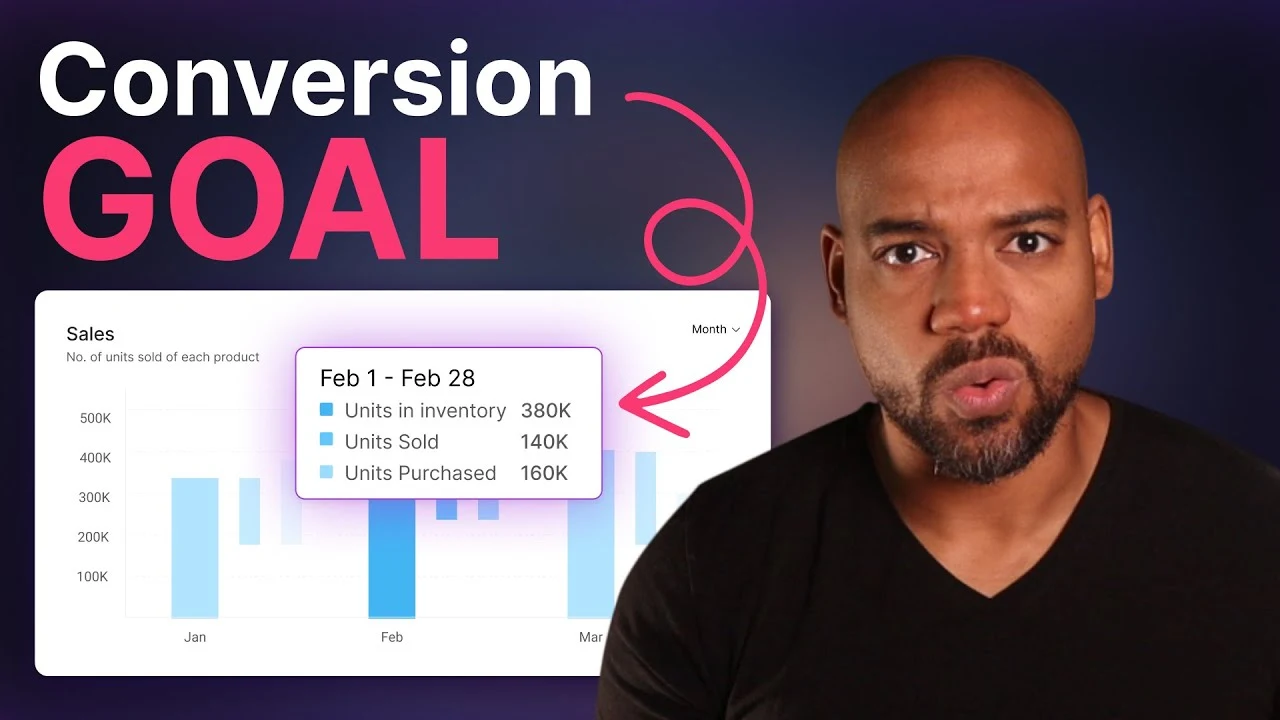
The working principle is to use the deepest event that has sufficient reliable volume and can reach the platform within the relevant measurement setup. Moving deeper without enough usable data is not automatically an improvement.
There is no single event threshold that applies to every platform, campaign type, and sales cycle. Review the requirements for the actual campaign and distinguish a tracking event from the event used for optimization.
For example, a hypothetical SaaS team might have enough consistent attended meetings to test that stage while continuing to report opportunities and customers. Another company may need to begin with qualified leads while it improves booking and attendance measurement.
Build the CRM foundation first
A useful implementation follows four steps:
- Define the stages. Agree on the action or evidence required to enter each stage.
- Record progression. Make sure forms, bookings, attendance, and sales decisions update the appropriate records.
- Connect conversion events. Use supported integrations and confirm that the intended events arrive correctly.
- Use the resulting audiences thoughtfully. Separate prospects, customers, and people who should be excluded from acquisition campaigns where the platform and audience size permit.
Do not assume that installing a CRM or connecting an ad account completes this process. Test a record through the journey and inspect the result. The conversion tracking checklist can help structure that audit.
Judge a change by pipeline, not just the lead counter
Changing the event can change the volume and price of reported leads. Set expectations before the test so a change in CPL does not become the only verdict.
Compare cohorts using the same definitions and give each cohort time to progress through the sales cycle. Review attended meetings, qualified opportunities, acquisition cost, and sales feedback alongside campaign delivery. Avoid declaring success because a deeper event produces fewer leads; the downstream results still need to improve.
The broader lesson also appears in our guide to common B2B advertising mistakes: an attractive front-end metric is incomplete without a view of what happens next.
Your next step: draw your current hierarchy
List the five stages, the number of events you can verify at each stage, and the source of truth for each. Mark which events reach your advertising accounts. That simple map reveals whether the next task is a campaign test, a tracking repair, or a sales-process clarification.
Watch the source video: The Costly B2B Advertising Mistake You’re Making Right Now.
Frequently asked questions
Is optimizing for form submissions always wrong?
No. It may be a practical starting point, especially when deeper events are sparse. The important limitation is that a form fill does not establish buyer quality. Measure later stages even when the form remains the optimization event.
Which is more useful, a booked meeting or an attended meeting?
They answer different questions. Booking measures willingness to schedule; attendance measures follow-through. Tracking both exposes losses between them and helps you evaluate whether booked meetings are translating into sales conversations.
How quickly should we move to a deeper event?
Move when the event is consistently defined, reliably tracked, and suitable for the campaign’s available volume and timing. Use a measured test rather than an arbitrary deadline or a universal benchmark.
Want help choosing the right event for your funnel? GET MY FREE PIPELINE AUDIT.