A demo request and a newsletter signup both show activity, but they do not necessarily show the same buying intent. Combining them into one conversion total makes it harder to understand what a campaign is accomplishing.
The accompanying video explains a useful first step in B2B conversion tracking: define the business goal, map the customer journey, and separate events according to how they relate to that goal.
Start with the action you want to understand
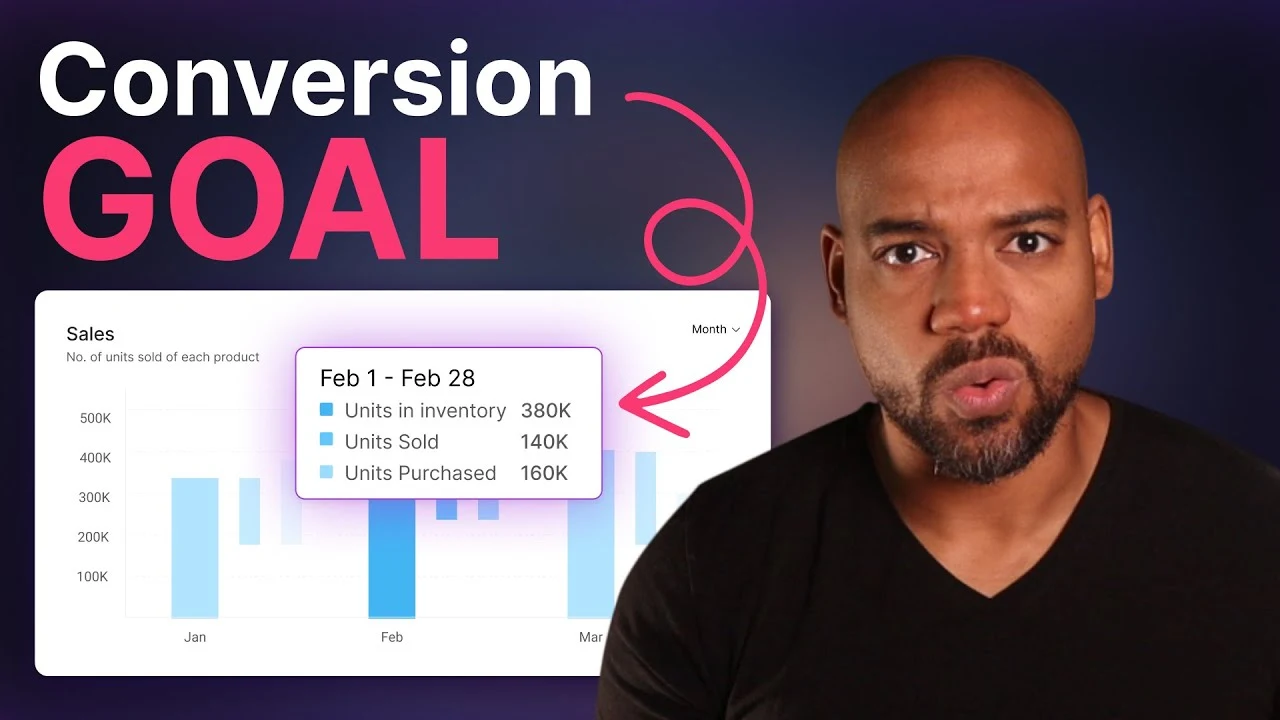
Before installing another tag, identify the outcomes that matter. Are you trying to generate qualified sales conversations, understand content engagement, or see which interactions precede a purchase?
Create an event list that follows the buyer’s journey. For each event, record the action, where it happens, and what it tells you about the prospect. The conversion tracking checklist covers how to turn that plan into a broader measurement setup.
Separate primary and secondary events
In the video’s framework, primary events are closer to a commercial conversation. Examples include requesting a demo, contacting sales, or starting a relevant chat.
Secondary events happen earlier in the journey. A newsletter subscription or resource download can show interest without establishing that someone is ready to evaluate the product.
These labels describe intent in this framework. They are not instructions for configuring similarly named settings in a particular advertising platform. In Google Ads, primary actions can be used for bidding under the selected goal, while secondary actions normally serve observation; custom goals are an exception. Review Google’s primary and secondary conversion documentation before configuring those settings.
The classification also depends on context. A support chat from an existing customer is not automatically a new sales opportunity. A download by an active buying committee may have more significance than the same action by an unrelated visitor.
Compare intent signals without confusing them with outcomes
| Event in the video’s framework | Possible signal | Follow-up check |
|---|---|---|
| Demo or sales-contact request | Interest in a commercial conversation | Booking, attendance, and fit |
| Relevant live chat | A question about evaluating the product | Whether it was a sales, support, or unrelated inquiry |
| Resource download | Interest in the topic | Later engagement and sales progression |
| Newsletter signup | Willingness to receive more content | Relevance and future commercial interest |
Connect the events to what happens next
Once the events are recorded, compare them with later CRM outcomes. Which actions tend to precede an attended meeting? Which lead to qualified opportunities? Which generate activity without much progression?
That analysis helps the team interpret the different stages of a B2B marketing funnel. Earlier engagement is useful, but it should not be reported as if revenue has already been created.
Takeaway: build an event map before a dashboard
List your meaningful events, describe their intent, and identify the later outcome you will use to evaluate each one. Keep the definitions visible so marketing and sales interpret the same numbers consistently.
Watch the original B2B conversion tracking overview on YouTube.
FAQ
Is a secondary conversion unimportant?
No. It can show early interest and help explain the journey. It simply represents a different stage from a direct commercial inquiry.
Is every demo request high quality?
No. A request is an intent signal that still needs to be followed through booking, attendance, qualification, and the sales process.
Should the event map change over time?
Yes. Refine it when actual customer behavior shows that an event means something different from the original assumption.
Want clearer measurement across your funnel? GET MY FREE PIPELINE AUDIT.