
UTM parameters help distinguish where a website visit came from and which campaign sent it. Their value grows when that information stays consistent and follows the lead into your reporting.
A tagging system does not need to be elaborate. It needs to be understandable to the people creating links and useful to the people evaluating campaigns.
1. Agree on a naming convention
Small variations can fragment a report. If different people label the same source in different ways, you spend time reconciling categories instead of learning from them.
Choose a consistent style for source, medium, campaign, and any content labels you use. Write down the accepted values and examples. For a hypothetical paid campaign, the team might use a lowercase source name, a standard paid-social medium, and a descriptive campaign name.
Google’s campaign URL documentation notes that parameter values are case sensitive. Keep capitalization consistent as part of the naming convention.
Keep labels meaningful outside the creator’s own memory. A colleague should be able to understand the campaign without decoding an unexplained abbreviation.
2. Maintain a shared link register
The source video recommends a tracking document so the whole team stays organized. Record the destination, campaign labels, channel, and owner before the link goes live.
This is especially useful when ads, partner placements, and email campaigns run at the same time. A shared register helps prevent duplicate naming and makes later analysis easier.
3. Verify the information reaches reporting
Open a tagged link, complete the intended journey, and check what appears in your analytics and CRM. Confirm which values are captured and how subsequent visits are handled.
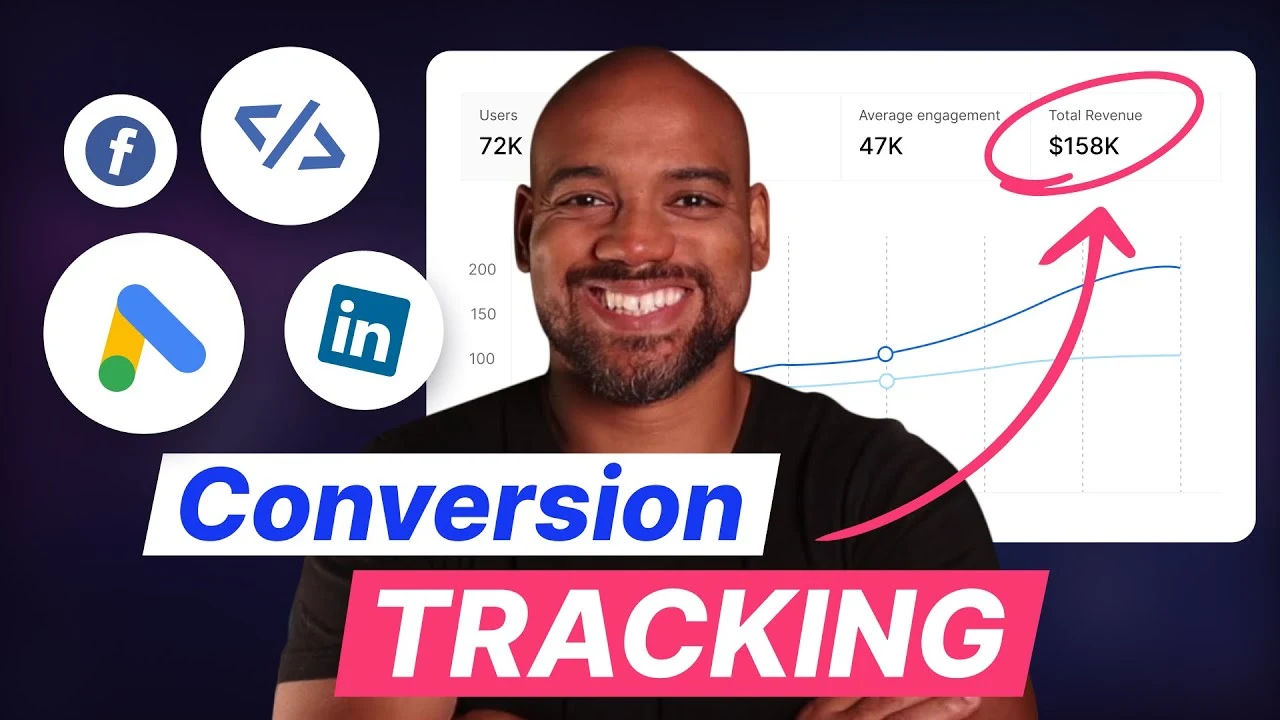
UTMs are one part of measurement. The conversion tracking checklist helps connect campaign information to meaningful conversion events, while our B2B marketing lessons guide explains why the full funnel needs attention.
Your next step: audit the next five links
Check their naming, destination, and capture behavior before publication. Fix inconsistencies while the sample is small, then make that check part of campaign preparation.
Watch the source video: B2B Marketing Analytics & Measurement With UTMs.
Frequently asked questions
Do UTMs prove that a campaign caused a sale?
No. They help identify a recorded source or campaign interaction. They are useful evidence within a broader view of the buying journey, not a complete account of every influence on the purchase.
Should personal information appear in UTM values?
No. Use campaign labels, not names, email addresses, or other personal information. A useful tagging convention describes the marketing activity.
Want clearer visibility from campaign to pipeline? GET MY FREE PIPELINE AUDIT.