Referrals can bring a B2B company its first customers, but they are difficult to schedule. Cold email is one way to start relevant conversations beyond that network, provided the company knows who it can help and has a credible reason to reach out.
The accompanying video walks through an outbound process for tech and healthtech companies. Its most useful ideas connect audience selection, the offer, short messages, testing, and the work that happens after a reply.
Treat those pieces as one system. Sending more messages will not fix an unclear offer, a poor contact list, or a sales team that is unprepared to respond.
Start with the conditions for a useful conversation
The video is aimed at companies with an established understanding of their customer and some evidence that the product solves a real problem. That is an important starting condition.
Before writing a sequence, define the audience and the situation that makes the product relevant. Identify the pain point, the result the buyer wants, and the evidence you can responsibly use.
If those answers are unclear, customer research should come before a larger outbound effort. Otherwise, the campaign becomes an expensive way to discover that the message does not fit the market.
The B2B marketing lessons for startups explain why customer understanding and simple, repeatable processes matter before scaling activity.
Work backward from business outcomes
A revenue target is not an email target. Between a message and a sale sit several steps: a useful reply, a booked conversation, attendance, qualification, and a buying decision.
Model those steps separately. Use your own observed rates where possible, and label assumptions where you do not yet have data. Then review which stage has the largest uncertainty.
For example, a hypothetical campaign might generate positive replies but very few attended meetings. Increasing the contact list would not explain why that handoff is failing. The next investigation should examine the response, scheduling process, and expectations set by the original message.
If replies are reaching the calendar but not the meeting, use the demo no-show audit to inspect that handoff.
The calculator in the video illustrates backward planning. Its example rates are not benchmarks to assume for every company. Recalculate with actual results as the campaign develops.
Distinguish the product from the offer
A product description tells the recipient what the company sells. An offer gives them a reason to consider a next step.
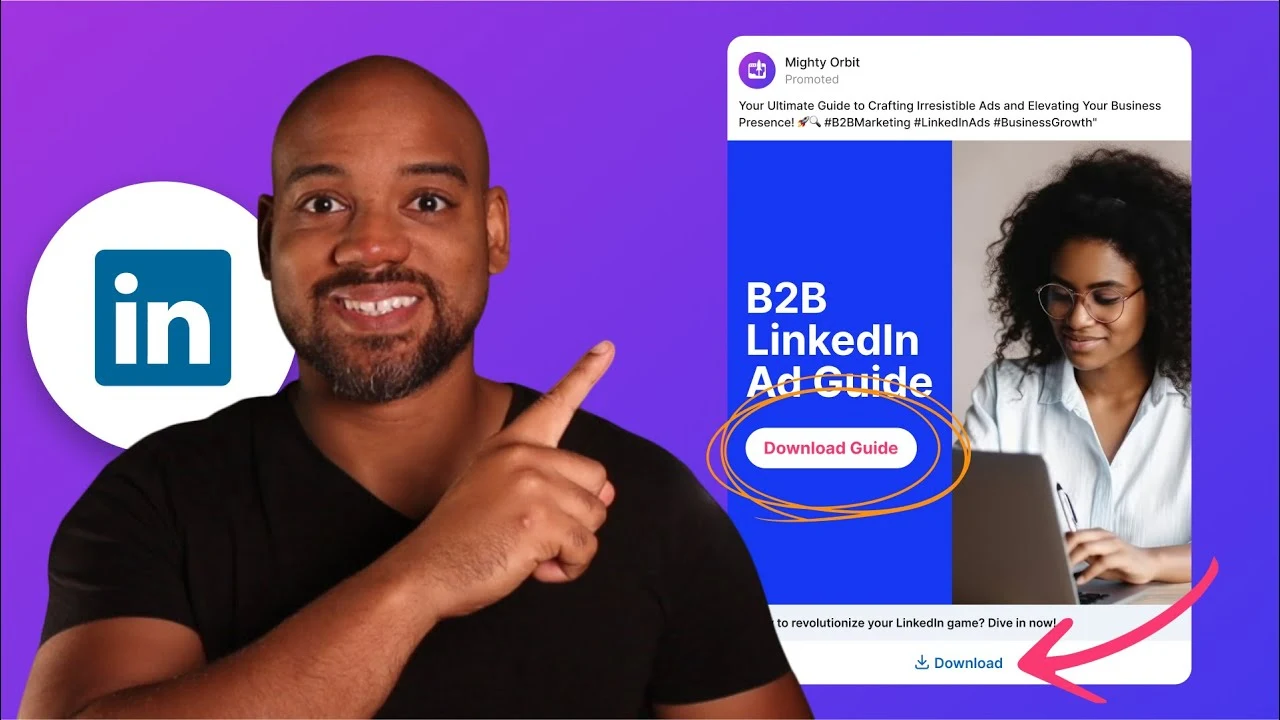
For a software business, naming the category may not be enough. A relevant offer could be a short assessment of a known workflow problem, a useful guide, or an invitation to examine a specific opportunity. The value should be clear before the recipient has to agree to a meeting.
Keep the offer supportable. A promise about revenue, meetings, or operational performance needs evidence and appropriate terms. Do not borrow a guarantee from an example template and attach it to a different business.
A strong opening connects three things: why this person is relevant, which problem the message addresses, and what useful action is available next.
Build a focused and maintainable contact list
The video separates audience selection into personal, company, and technology characteristics. That is a useful way to make a broad market more concrete.
- Role: Who owns, uses, or influences the process?
- Company fit: Which organizations have the relevant size, operating model, or need?
- Technical fit: Does the product depend on a system or workflow already being present?
- Exclusions: Which contacts or companies clearly do not fit?
A narrow segment makes the message easier to write and the result easier to interpret. If unrelated buyers receive the same offer, weak performance will be difficult to diagnose.
Maintain accurate contact data, remove invalid addresses, and preserve opt-out records. A verified address is a data-quality signal, not proof that the person wants the message or that the outreach is appropriate.
Protect deliverability through responsible sending
Authentication, accurate sender identity, and recipient response matter more than cosmetic changes to a template.
Google’s email sender guidelines distinguish requirements for all senders from additional bulk-sender requirements. They recommend SPF, DKIM, and DMARC, accurate message headers, and easy unsubscribe options. Check the requirements that apply to your sending service and recipients before launching.
Do not treat a warm-up score, a new sending domain, or a fixed daily volume as a guarantee of inbox placement. Monitor bounces, complaints, opt-outs, and replies. If recipients are signaling that the outreach is unwanted, address the audience or offer rather than trying to disguise the messages.
Clear identity and a simple way to decline are part of a sustainable outreach process.
Write a short message with one clear purpose
The video favors brief emails that address a specific problem and ask for a small next step. That is a practical constraint when writing to someone who has no reason to read a long introduction.
An illustrative structure is:
- Establish a truthful reason for reaching out.
- Explain the relevant problem or opportunity.
- Offer something useful.
- Ask one direct question.
For example, a hypothetical software consultant could offer a short workflow checklist to an operations leader whose role clearly fits the topic. They should not claim to have found a problem on the company’s website unless they actually reviewed it.
Follow-ups should add context or useful information. Repeatedly asking whether someone saw the previous email gives them little new reason to respond. Stop when a recipient declines or opts out.
Test the message, then inspect reply quality
Compare meaningful differences in offers or messages. Changing a greeting while leaving the audience and proposition unchanged teaches less than testing two genuinely different reasons to engage.
Keep enough consistency to interpret the result. Record the segment, offer, message, and outcome for each test. Evaluate positive replies and downstream meetings alongside negative replies, bounces, and opt-outs.
Open rates alone cannot tell you whether the campaign is creating useful demand. The conversion tracking checklist provides a broader framework for connecting activity to later sales outcomes.
Prepare the inbox before launching
Assign someone to handle replies, define how interested contacts move to sales, and make sure opt-outs are actioned. Separate out-of-office responses from genuine interest so the team does not mistake automated replies for engagement.
A prompt, relevant response should continue the conversation that the email started. If the offer was a guide, provide the guide. If a prospect asks a specific question, answer it before pushing a meeting.
Watch the original B2B cold email lead generation guide on YouTube for the offer, targeting, and inbox-management examples.
FAQ
How many cold emails should a B2B company send?
There is no universal volume that produces qualified meetings. Plan around audience fit, provider requirements, recipient response, and the team’s ability to handle conversations well.
What should a cold email offer?
Offer a useful next step related to a problem the recipient plausibly owns. It could be information, a relevant example, or a focused conversation. Avoid unsupported promises.
Which cold email metric matters most?
Useful replies are a meaningful early signal, but follow them through to attended meetings, qualified opportunities, and sales. Also monitor negative feedback and data-quality problems.
Should every follow-up ask for a meeting?
No. A follow-up can answer an objection or deliver something useful. The action should match the conversation and respect the recipient’s response.
Want to connect outreach, follow-up, and pipeline measurement? GET MY FREE PIPELINE AUDIT.